Diet Recommendations for Neuropathy
Comprehensive nutritional guidance to support nerve health, reduce inflammation, and manage neuropathy symptoms
The Role of Diet in Neuropathy Management
Nutrition plays a crucial role in managing neuropathy. A well-balanced diet rich in specific nutrients can help protect nerve cells, reduce inflammation, support nerve function, and potentially slow disease progression.
For people with diabetic neuropathy, maintaining stable blood sugar levels through proper nutrition is especially critical. The dietary recommendations below focus on anti-inflammatory foods, essential vitamins and minerals, and healthy eating patterns.
Foods to Include
Anti-Inflammatory Foods
Fatty Fish
Salmon, mackerel, sardines - rich in omega-3 fatty acids
Berries
Blueberries, strawberries, raspberries - high in antioxidants
Leafy Greens
Spinach, kale, collards - packed with vitamins and minerals
Turmeric
Contains curcumin, a powerful anti-inflammatory compound
Ginger
Natural anti-inflammatory and pain-relieving properties
Extra Virgin Olive Oil
Rich in oleocanthal, an anti-inflammatory compound
B Vitamin Rich Foods
Fortified Cereals
Good source of B1, B6, B12, and folate
Eggs
Rich in B12, B2, B5, and folate
Legumes
Beans, lentils, chickpeas - high in B1, B6, and folate
Nutritional Yeast
Excellent source of B vitamins, especially B12
Lean Meats
Chicken, turkey, lean beef - rich in B3, B6, and B12
Whole Grains
Brown rice, quinoa, oats - good source of B vitamins
Omega-3 Sources
Walnuts
Highest plant-based source of omega-3 ALA
Flax Seeds
Rich in ALA omega-3 fatty acids
Chia Seeds
Excellent source of omega-3s and fiber
Hemp Seeds
Good balance of omega-3 and omega-6
Algae Oil
Plant-based source of EPA and DHA
Edamame
Provides omega-3s plus complete protein
Antioxidant-Rich Foods
Dark Chocolate
70%+ cocoa - rich in flavonoids (in moderation)
Green Tea
High in catechins and EGCG
Colorful Vegetables
Bell peppers, beets, carrots - rich in antioxidants
Nuts
Almonds, pecans, hazelnuts - vitamin E and selenium
Pomegranate
Extremely high in antioxidants
Sweet Potatoes
Rich in beta-carotene and vitamins
Foods to Limit or Avoid
Processed Foods
Often high in sodium, unhealthy fats, and preservatives that promote inflammation
Examples to avoid:
- Packaged snacks and chips
- Frozen dinners
- Processed meats (hot dogs, sausages, deli meats)
- Fast food
- Instant noodles
High Sugar Foods
Spikes blood sugar levels and promotes inflammation and nerve damage
Examples to avoid:
- Sugary beverages (soda, sweetened juice)
- Candy and sweets
- Pastries and cakes
- Ice cream
- Sweetened yogurt
Refined Carbohydrates
Quickly converted to sugar, causing blood sugar spikes and inflammation
Examples to avoid:
- White bread and pasta
- White rice
- Pastries and baked goods
- Crackers and pretzels
- Breakfast cereals with added sugar
Trans Fats
Increase inflammation and contribute to nerve damage
Examples to avoid:
- Margarine and shortening
- Fried foods
- Commercial baked goods
- Some microwave popcorn
- Non-dairy creamers
Excessive Alcohol
Can directly damage nerves and interfere with nutrient absorption
Examples to avoid:
- Regular heavy drinking
- Binge drinking
- Daily alcohol consumption
Meal Planning & Preparation
Weekly Meal Planning
- Plan meals for the entire week on Sunday
- Include a variety of colorful vegetables each day
- Prepare large batches and freeze portions
- Rotate protein sources throughout the week
- Always have healthy snacks prepared
Balanced Plate Method
- 50% vegetables and fruits (mostly vegetables)
- 25% lean protein (fish, poultry, legumes)
- 25% whole grains or starchy vegetables
- Add healthy fats (avocado, nuts, olive oil)
- Watch portion sizes, especially carbohydrates
Blood Sugar Management
- Never skip meals, especially breakfast
- Eat every 3-4 hours to maintain stable levels
- Combine carbs with protein and healthy fats
- Choose low glycemic index foods
- Monitor blood sugar if you have diabetes
Smart Shopping
- Shop the perimeter of the store (fresh foods)
- Read nutrition labels carefully
- Buy seasonal produce for better nutrition and cost
- Keep a stocked pantry of healthy staples
- Avoid shopping when hungry
Track Your Progress
Understanding how different foods affect your blood sugar is key to managing neuropathy. We recommend reliable monitoring for the best results.
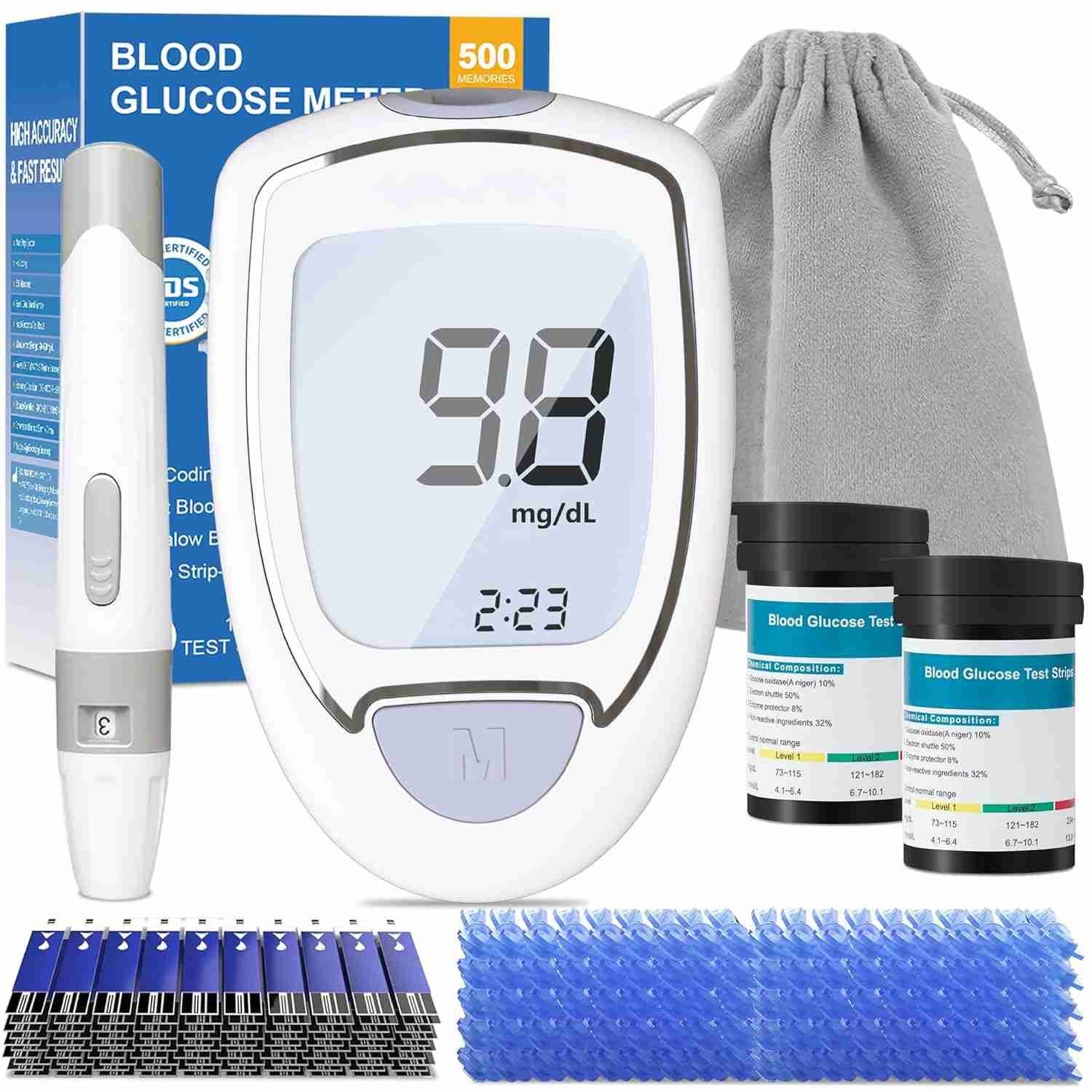
Blood Glucose Meter Kit
Monitoring your blood sugar is essential for understanding how your diet affects your health. This accurate, easy-to-use meter helps you verify which foods keep your glucose levels stable and which ones cause spikes.
- High accuracy results in 5 seconds
- No coding required for simple use
- Large, easy-to-read LCD display
- Includes lancing device and carry case
Why Monitor Glucose?
Immediate Feedback
See exactly how your body responds to specific meals instantly.
Smart Adjustments
Make data-driven decisions to adjust your diet for better nerve health.
Prevent Spikes
Avoid dangerous blood sugar spikes that can worsen neuropathy symptoms.
Hydration Recommendations
Why Hydration Matters
Proper hydration is essential for nerve function, circulation, and overall health. Water helps transport nutrients to cells, removes waste products, and maintains the optimal environment for nerve signal transmission.
Making Dietary Changes Successfully
Start gradually: Don't try to change everything at once. Make one or two changes per week and build from there.
Keep a food diary: Track what you eat and how you feel to identify foods that help or worsen your symptoms.
Work with professionals: Consider consulting a registered dietitian who specializes in neuropathy or diabetes for personalized guidance.
Be consistent: Dietary changes take time to show effects. Stick with healthy eating patterns for at least 2-3 months before evaluating results.
Allow flexibility: Occasional treats are fine. Focus on overall eating patterns rather than perfection at every meal.