Natural Treatments for Neuropathy
Evidence-based natural approaches to complement medical treatment and improve quality of life
Important Note About Natural Treatments
Natural treatments can be valuable complements to conventional medical care, but they should not replace professional medical advice or prescribed treatments. Always consult with your healthcare provider before starting any new treatment, supplement, or exercise program.
The effectiveness of natural treatments can vary from person to person. What works well for one individual may not work as well for another. An integrative approach combining conventional and complementary therapies often provides the best results.
Acupuncture
Traditional Chinese medicine technique that may help reduce neuropathic pain and improve nerve function through strategic needle placement.
Key Benefits
- May reduce pain intensity
- Improves blood circulation
- Promotes relaxation
Massage Therapy
Therapeutic massage can improve circulation, reduce muscle tension, and provide temporary pain relief for neuropathy symptoms.
Key Benefits
- Improves blood flow
- Reduces muscle tension
- Promotes relaxation
Exercise & Physical Therapy
Regular physical activity strengthens muscles, improves balance, and may help slow neuropathy progression while reducing pain.
Key Benefits
- Strengthens muscles
- Improves balance and coordination
- Enhances blood sugar control
Stress Reduction & Mindfulness
Mind-body techniques like meditation, yoga, and deep breathing can help manage pain perception and improve overall well-being.
Key Benefits
- Reduces stress hormones
- Improves pain management
- Enhances sleep quality
Alpha-Lipoic Acid
A powerful antioxidant that may help reduce neuropathic pain and improve nerve function, particularly in diabetic neuropathy.
Key Benefits
- Antioxidant protection
- May reduce pain and burning
- Improves insulin sensitivity
B-Complex Vitamins
B vitamins, especially B1, B6, and B12, are essential for nerve health and may help prevent or reduce neuropathy symptoms.
Key Benefits
- Supports nerve function
- May reduce symptoms
- Essential for nerve repair
Essential Oils & Topical Treatments
Certain essential oils and topical creams containing capsaicin or menthol may provide temporary relief from neuropathic pain.
Key Benefits
- Localized pain relief
- May reduce burning sensations
- Non-invasive application
Lifestyle Modifications
Comprehensive lifestyle changes including proper foot care, avoiding toxins, and maintaining healthy habits are crucial for managing neuropathy.
Key Benefits
- Prevents complications
- Slows progression
- Improves overall health
Herbal Nerve-Soothing Balm & Salve Recipe
Create your own therapeutic topical balm using natural herbs and essential oils specifically chosen for their nerve-soothing properties
Important Medical Disclaimer
Neuropathy has many underlying causes including diabetes, autoimmune conditions, infections, nutritional deficiencies, and more. This herbal balm is intended for external topical use only and is NOT a cure for neuropathy.
Consult your physician or healthcare provider before using this or any herbal topical treatment, especially if you:
- Have open wounds or broken skin
- Are pregnant or nursing
- Have known allergies to herbs or essential oils
- Are taking blood thinners or other medications
- Have a diagnosed medical condition
PATCH TEST REQUIRED
Always perform a patch test before full application. Apply a small amount to your inner forearm and wait 24-48 hours to check for allergic reactions, redness, or irritation. Discontinue use immediately if any adverse reaction occurs.
The Best Natural Ingredients for Neuropathy
Herbs
A traditional nervine herb known for its powerful anti-inflammatory and nerve-soothing properties. St. John's Wort contains hypericin and hyperforin, compounds that may help reduce nerve pain and promote healing of damaged nerve tissue.
Key Properties:
- Reduces inflammation in nerve pathways
- May help regenerate nerve endings
- Traditional use for nerve pain relief
- Contains powerful antioxidants
Contains capsaicin, a compound that depletes substance P (a pain neurotransmitter) from nerve endings. While it may cause initial warmth or tingling, regular use can significantly reduce neuropathic pain over time.
Key Properties:
- Depletes pain-transmitting substance P
- Improves local circulation
- Provides warming, analgesic effect
- Clinically proven for nerve pain
A potent anti-inflammatory herb traditionally used for pain relief and healing. Arnica helps reduce swelling, improves circulation, and provides analgesic benefits when applied topically to areas affected by neuropathy.
Key Properties:
- Powerful anti-inflammatory action
- Reduces swelling and bruising
- Improves microcirculation
- Natural pain relief properties
Essential Oils
Contains menthol, which creates a cooling sensation that can help distract from pain while improving circulation. Peppermint oil has analgesic and anti-inflammatory properties that make it excellent for neuropathic discomfort.
•Cooling, analgesic sensation
•Improves blood flow to affected areas
Known for its calming and anti-inflammatory effects, lavender essential oil helps reduce pain perception, promotes relaxation, and may help improve sleep quality—crucial for those managing chronic neuropathy pain.
•Calming and pain-reducing
•Promotes better sleep
An ancient oil prized for its powerful anti-inflammatory properties. Frankincense supports cellular health, reduces inflammation in nerve pathways, and may help with nerve regeneration and pain management.
•Potent anti-inflammatory
•Supports cellular regeneration
A balancing oil that helps regulate circulation and reduce inflammation. Geranium has been traditionally used for nerve pain and may help improve blood flow to extremities affected by neuropathy.
•Balances and regulates circulation
•Anti-inflammatory and analgesic
Recipe: Herbal Nerve-Soothing Balm
Ingredients
- 1 cup St. John's Wort infused oil
- 1 tablespoon Cayenne pepper powder (organic)
- 1/4 cup Beeswax pellets (or carnauba wax for vegan option)
- 20 drops Peppermint essential oil
- 15 drops Lavender essential oil
- 10 drops Frankincense essential oil
Equipment Needed
- Double boiler or heat-safe glass bowl over saucepan
- Measuring cups and spoons
- Wooden spoon or silicone spatula
- Clean glass jars or tins (4-8 oz total capacity)
- Cheesecloth or fine mesh strainer
- Labels for finished product
Step-by-Step Instructions
Make Herbal Infused Oil
Traditional Method (Recommended): Fill a clean glass jar 3/4 full with dried St. John's Wort flowers. Cover completely with a carrier oil (olive, sweet almond, or jojoba oil). Seal and place in a sunny windowsill for 4-6 weeks, shaking daily. Strain through cheesecloth when ready.
Quick Method: Use a double boiler to gently heat 1 cup of carrier oil with 1/2 cup dried St. John's Wort on lowest heat for 2-3 hours. Do NOT boil. Strain well through cheesecloth.
Pro Tip: You can purchase pre-made St. John's Wort infused oil from reputable herbal suppliers to save time.
Create the Balm
In a double boiler, combine 1 cup of your St. John's Wort infused oil with 1 tablespoon cayenne pepper powder. Gently heat and stir for 5-10 minutes to infuse the cayenne into the oil.
Add 1/4 cup beeswax pellets to the oil mixture. Heat gently, stirring occasionally, until the beeswax is completely melted and well combined with the oil.
Remove from heat and let cool for 2-3 minutes until temperature drops slightly (but mixture is still liquid).
Add Essential Oils
Once the mixture has cooled slightly (important: if too hot, essential oils will evaporate), add:
- 20 drops Peppermint essential oil
- 15 drops Lavender essential oil
- 10 drops Frankincense essential oil
Stir well to distribute essential oils evenly throughout the mixture.
Immediately pour into clean, dry glass jars or tins. Let cool completely uncovered for several hours until solidified. Once solid, seal with lids and label.
How to Use & Safety Warnings
Application Instructions:
- •Apply a small amount to affected areas 2-3 times daily or as needed
- •Gently massage into skin using circular motions
- •Allow balm to absorb for several minutes before covering with clothing
Critical Safety Warnings for Cayenne
• AVOID EYES, MUCOUS MEMBRANES, AND SENSITIVE AREAS - Cayenne can cause severe burning.
• WASH HANDS THOROUGHLY immediately after application with soap and water.
• PERFORM PATCH TEST FIRST - Apply to small area and wait 24-48 hours before full use.
• DO NOT USE ON BROKEN SKIN or open wounds.
• Initial warming/tingling is normal but discontinue if burning is severe or prolonged.
• Store out of reach of children and pets.
Shelf Life: When stored properly in a cool, dark place, this balm will last 6-12 months. Refrigeration can extend shelf life.
The Nerve-Calm Foot Soak
This therapeutic foot soak combines mineral-rich salts with herbs and essential oils known for their powerful analgesic and anti-inflammatory properties. A soothing ritual designed to bring relief and comfort to tired, aching feet affected by neuropathy.
Complete Recipe
Ingredients
1 cup Epsom Salt
High in magnesium to support nerve function and reduce inflammation
1/2 cup Dead Sea Salt or Pink Himalayan Salt
For additional trace minerals that support cellular health
1 tablespoon St. John's Wort infused oil
The "nerve herb" traditionally used for nerve restoration and pain relief
5 drops Peppermint Essential Oil
Creates a cooling, numbing sensation for immediate comfort
5 drops Lavender Essential Oil
Reduces inflammation and calms the nervous system
1 teaspoon Cayenne pepper powder (optional)
Improves circulation
⚠️ Use caution with broken skin. Skip if you have open wounds or cuts.
Step-by-Step Instructions
Prep the Salts
In a large mixing bowl, combine 1 cup Epsom salt with 1/2 cup Dead Sea salt or Pink Himalayan salt. Mix thoroughly to ensure even distribution.
Add the Oils
Add 1 tablespoon St. John's Wort infused oil, 5 drops peppermint essential oil, and 5 drops lavender essential oil to the salt mixture. If using cayenne pepper, add 1 teaspoon now. Stir well to combine all ingredients.
Fill the Basin
Fill a large basin or foot bath with warm water (not hot). Pour your prepared salt and oil mixture into the water and stir gently to dissolve.
Important Temperature Safety
Dissolve and Soak
Allow the salts to dissolve completely, then immerse your feet. Soak for 15-20 minutes, gently massaging your feet and ankles during the soak to enhance circulation and absorption.
Dry and Hydrate
After soaking, gently pat feet dry with a soft towel. Follow with a nourishing foot cream or moisturizer to lock in hydration. For best results, put on clean cotton socks to help skin absorb the moisture.
Why These Ingredients?
St. John's Wort
Historically revered for its nerve-restorative properties, St. John's Wort has been used for centuries in traditional medicine for nerve pain relief. Its active compounds, hypericin and hyperforin, have demonstrated anti-inflammatory and neuroprotective effects in research studies.
Peppermint & Lavender
These essential oils work synergistically to provide immediate comfort. Peppermint's cooling menthol creates a numbing sensation that distracts from pain signals, while lavender's compounds reduce inflammation and calm overactive nerves. Together, they create a soothing aromatherapy experience that benefits both body and mind.
Cayenne (Optional)
Capsaicin, the active compound in cayenne, works by temporarily desensitizing nerve endings to pain while simultaneously bringing increased blood flow to the extremities. This improved circulation delivers oxygen and nutrients crucial for nerve health. However, use cautiously and avoid if you have any broken skin or open wounds.
Storage Tip for Batch Preparation
Pre-mix for convenience: You can prepare multiple batches at once by multiplying the recipe. Pre-mix the dry salts and oils in a glass jar with an airtight lid. This allows you to grab a premeasured portion whenever you need a relaxing foot soak.
Premium storage (2026 wellness trend): Store your pre-mixed foot soak in amber or cobalt blue glass jars to protect the essential oil potency from light degradation. These UV-protective containers have become the gold standard in natural wellness storage solutions, extending the shelf life of your therapeutic preparations while adding an elegant touch to your self-care routine.
Shelf Life: When stored properly in a cool, dark place in an airtight container, your pre-mixed foot soak will maintain its potency for 3-6 months. Always label with the date prepared.
Sourcing Quality Herbs
Daily Comfort & Wellness
Essential products for daily comfort and long-term wellness
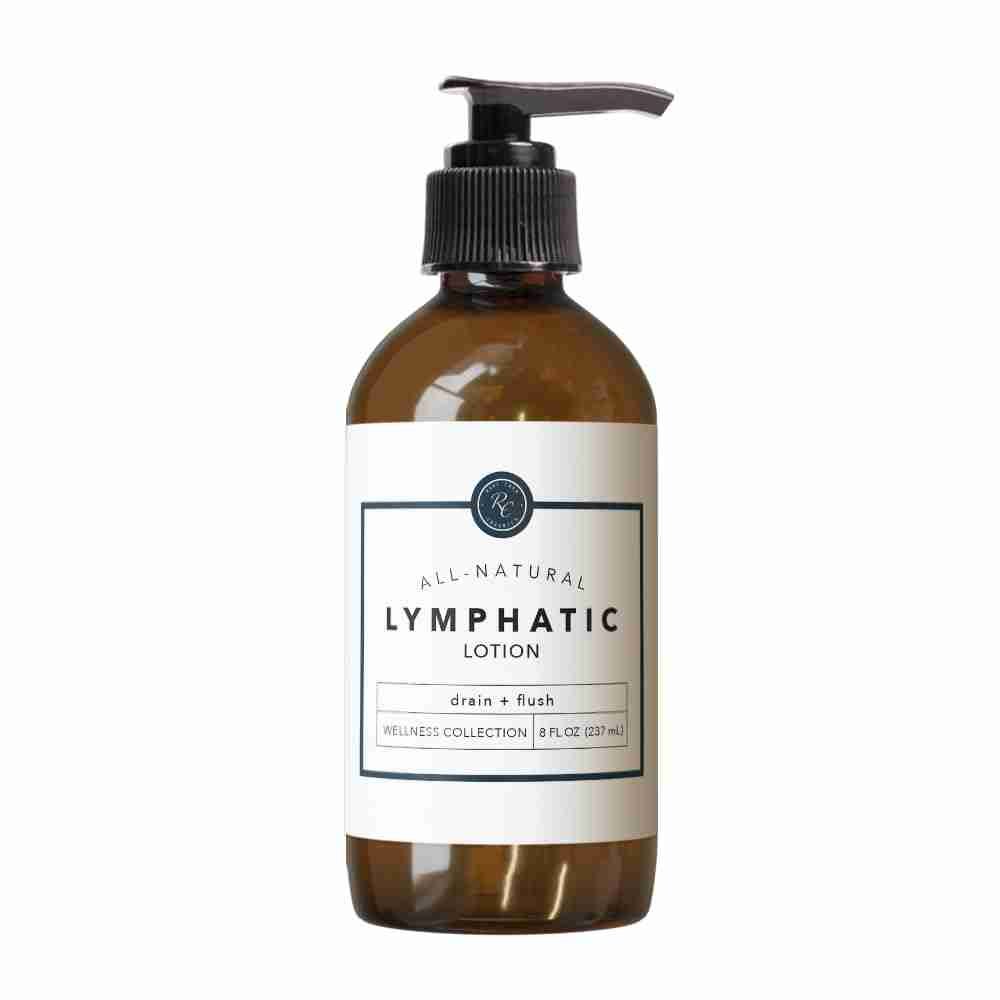
All-Natural Lymphatic Lotion
Premium lymphatic support lotion in an elegant amber glass bottle with pump dispenser. Formulated with natural ingredients to support healthy lymphatic circulation and skin wellness.
- Natural ingredients
- Amber glass bottle
- Pump dispenser
- Lymphatic support

Diabetic Socks
Therapeutic compression socks designed for diabetic foot care and circulation support. These socks are essential for maintaining foot health and comfort throughout the day.
- Moisture-wicking fabric
- Graduated compression
- Seamless design
- Improved circulation
Creating Your Personalized Treatment Plan
The most effective approach to managing neuropathy typically involves a combination of treatments tailored to your specific needs, symptoms, and underlying causes.
Track & Adjust
Keep a symptom diary to track what helps and what doesn't. Be patient – natural treatments often take time to show effects.
Integrative Care
Work closely with your healthcare team to develop a comprehensive plan that includes lifestyle and medical therapies.
Consistency and persistence are key to achieving the best results for your nerve health.